

ABOUT US
Baseball Performance Lab was built on a simple premise: the relationship between a hitter and their bat is measurable — and it matters enormously. For decades, professional hitters chose their equipment based on feel and habit. BPL changed that. By applying the same data-driven fitting science that transformed golf club selection, we brought precision and evidence to one of the most overlooked variables in the game. Today, BPL is the standard for bat fitting and swing optimization at the highest level of baseball.
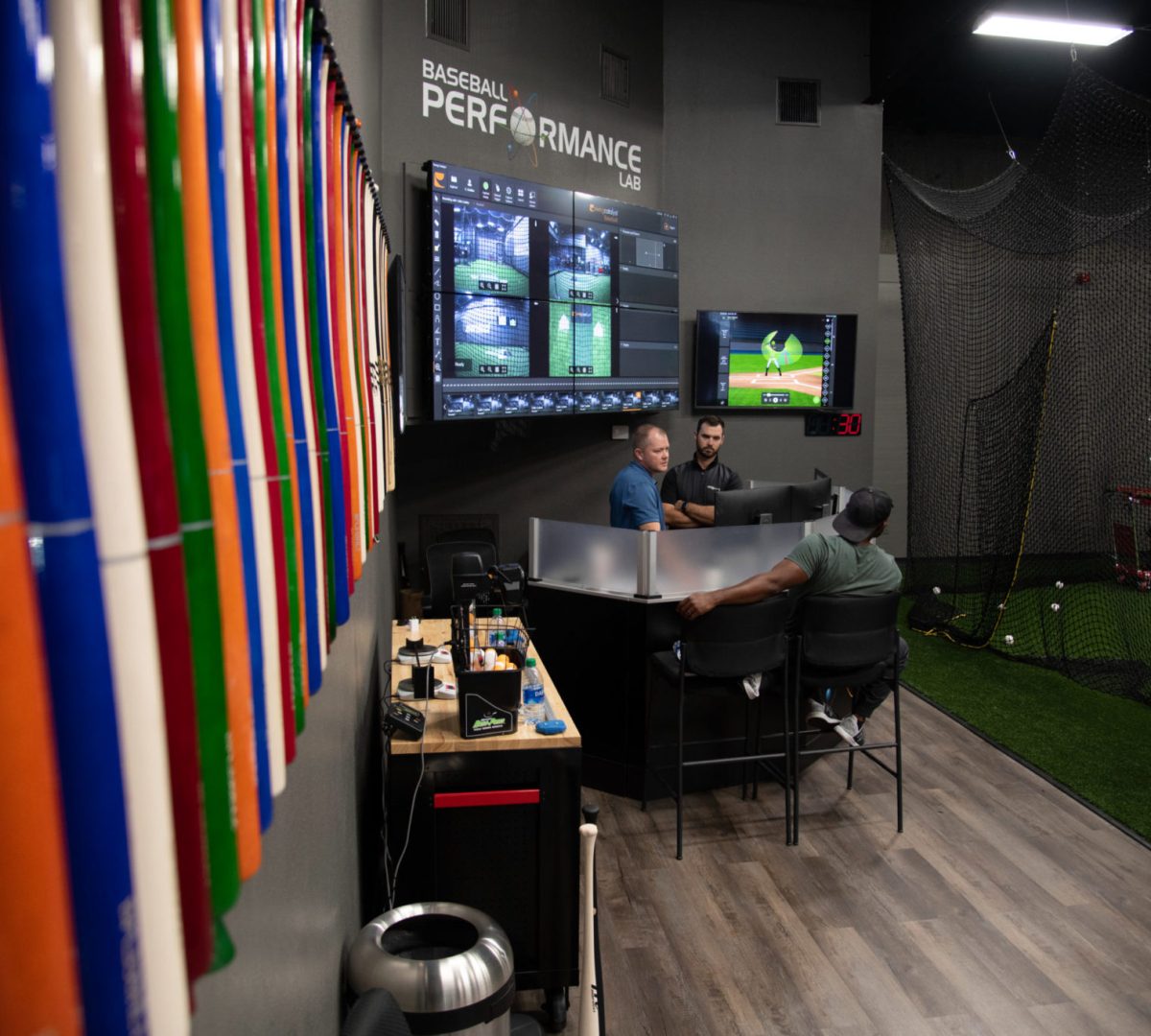
State of the Art Technology
BPL's facility features dual force plates, six high-speed cameras, launch monitoring, and 3D motion capture generating up to 30,000 data points per swing — the most advanced bat-fitting environment in professional baseball. Before anyone steps into the cage, our team collects comprehensive physical measurements to ensure every swing counts.
What is BPI?
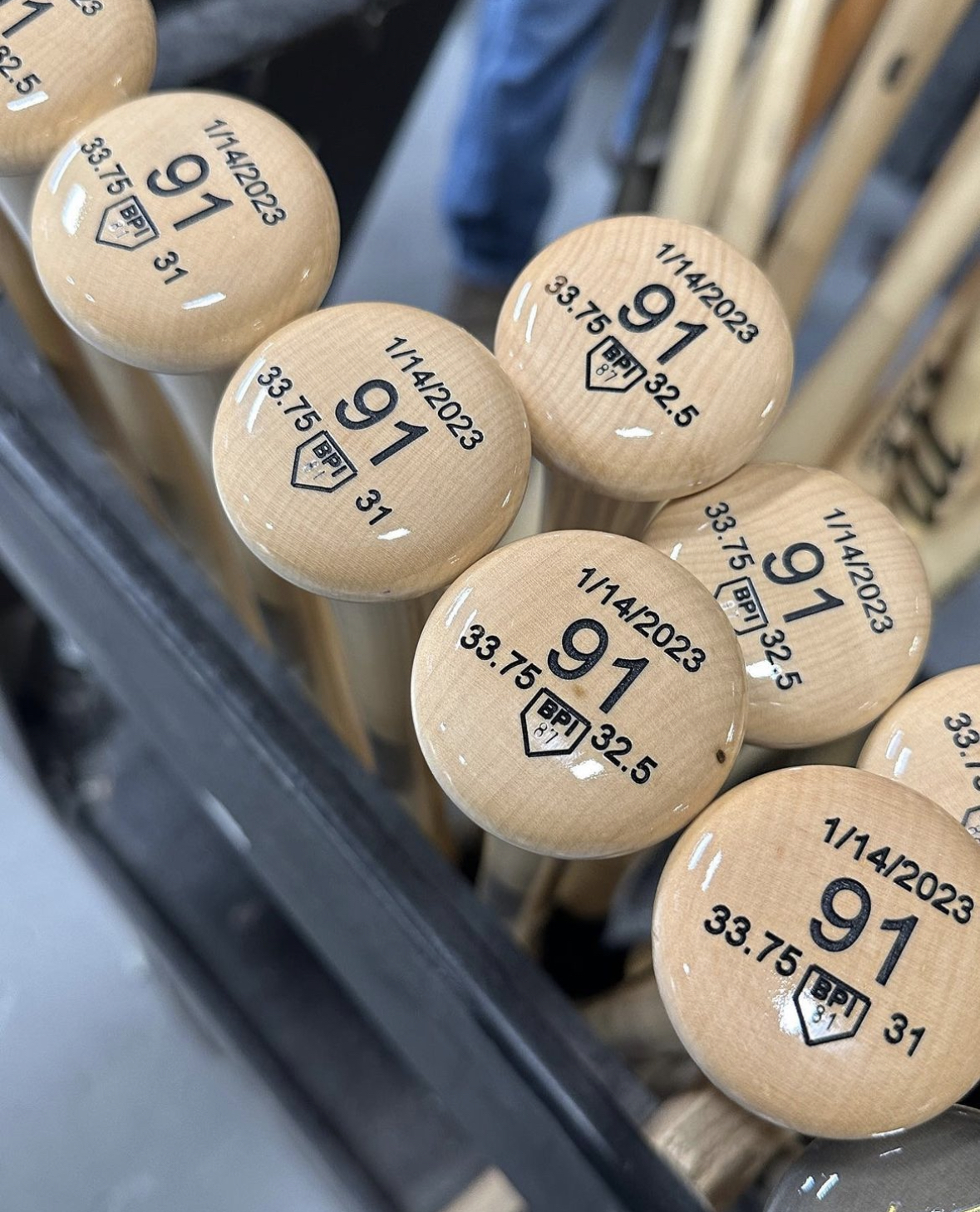
Early in BPL's research, it became clear that baseball had a fundamental problem: there was no standardized metric to describe how a bat actually swings. Weight and length alone don't tell the full story. BPL developed BPI — a number between 1 and 100 that quantifies the energy required to move a bat to the strike zone. BPI accounts for the mass and physical properties of the entire bat, allowing us to design bats of different lengths that feel and perform identically. We have built bats to specific BPIs for over 30 active MLB players.
BATRX
BatRX is BPL's proprietary bat fitting application, available exclusively to the BPL team and MLB organizations under contract. Powered by two algorithms built on four years of historical in-game MLB data, BatRX generates bat recommendations based on a player's biomechanics, swing delivery, and situational factors — including ballpark, environmental conditions, and pitcher type.
In January 2019, BPL founder Liam Mucklow — already a global leader in golf performance science through The Golf Lab — was approached at the PGA Show with a simple challenge: could the fitting methodology that had revolutionized golf be applied to baseball?
The answer required proof. Mucklow drove to spring training with eight wooden bats and paid five independent league players $50 each to participate in an experiment. Using motion capture and launch monitoring technology, the team measured exit velocity, launch angle, and swing mechanics across every model. Then they asked players which bat they preferred.
Five for five — what players thought they liked was not the bat they performed best with.
That experiment became the founding principle of the Baseball Performance Lab. Within the year, BPL had established a partnership with Marucci Sports — the leading bat manufacturer in Major League Baseball — and opened a state-of-the-art research facility on Marucci’s campus in Baton Rouge, Louisiana. In its first year, BPL signed two MLB teams to multi-year contracts. The sport had never seen anything like it.
What we do...
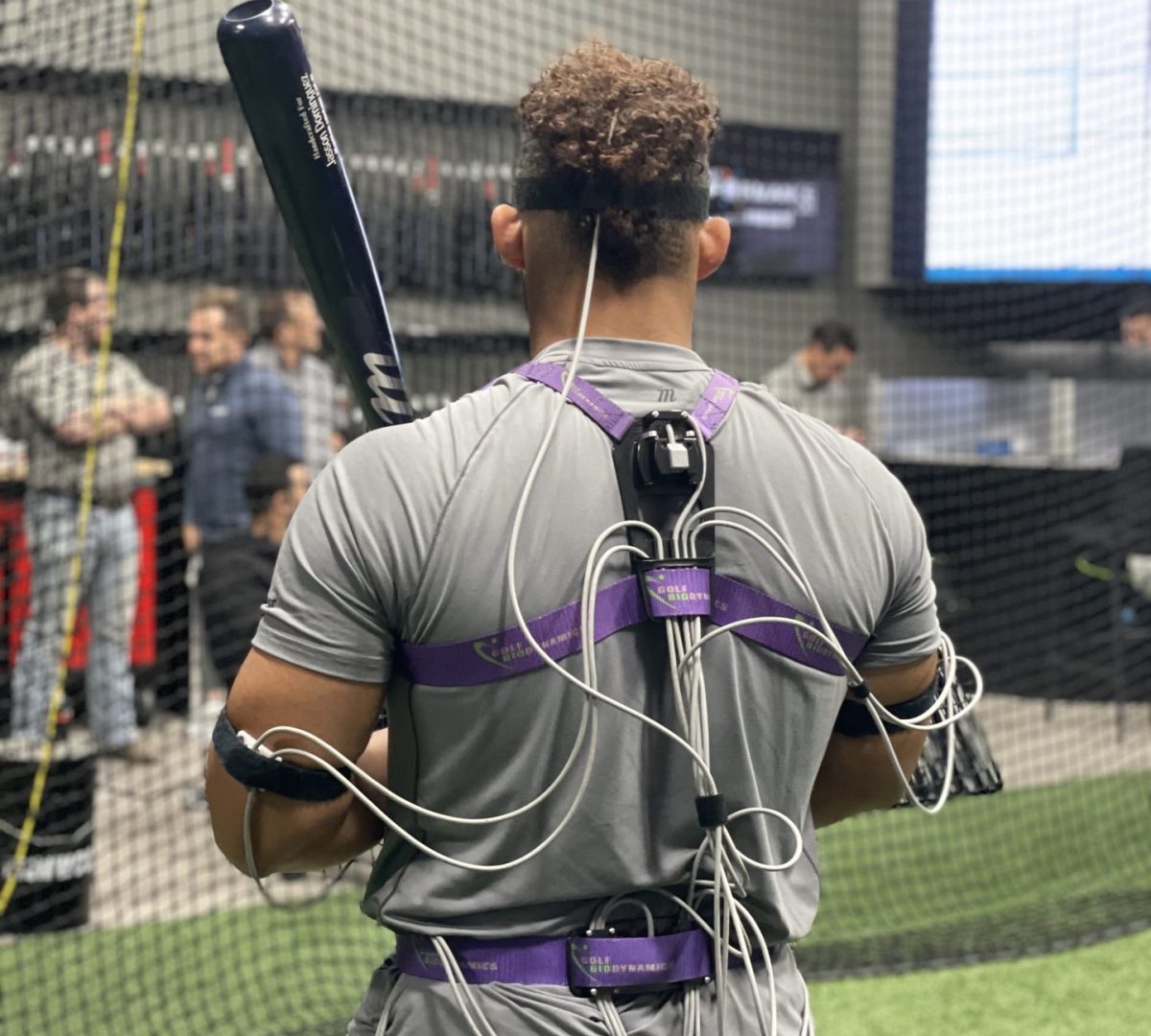
A BPL experience is unlike anything else in baseball. Before a player ever steps into the cage, our team collects comprehensive physical measurements — wrist mobility, hip rotation, arm length, grip strength, and lower body power output. This data narrows the field and ensures every swing counts.
Inside the cage, our facility runs dual force plates, six high-speed cameras, a launch monitor, and a 3D motion capture wire system capable of generating 30,000 data points per swing. We measure what the body does, what the bat does, and the relationship between the two.
The result is not a recommendation — it’s a prescription.
The Results are in
The BPL now works with 30% of MLB teams across the American and National Leagues. The athletes who have come through our facility represent combined career earnings of over $1 billion. BPL clients show an average oWAR increase of 0.7 in the season following their BPL experience.
The players speak for themselves. When Paul Goldschmidt came to BPL, he had used the same bat model for his entire 12-year career. He left with something different — and went on to hit a career-high .347 with 16 home runs that season. He also won the league MVP that year.